
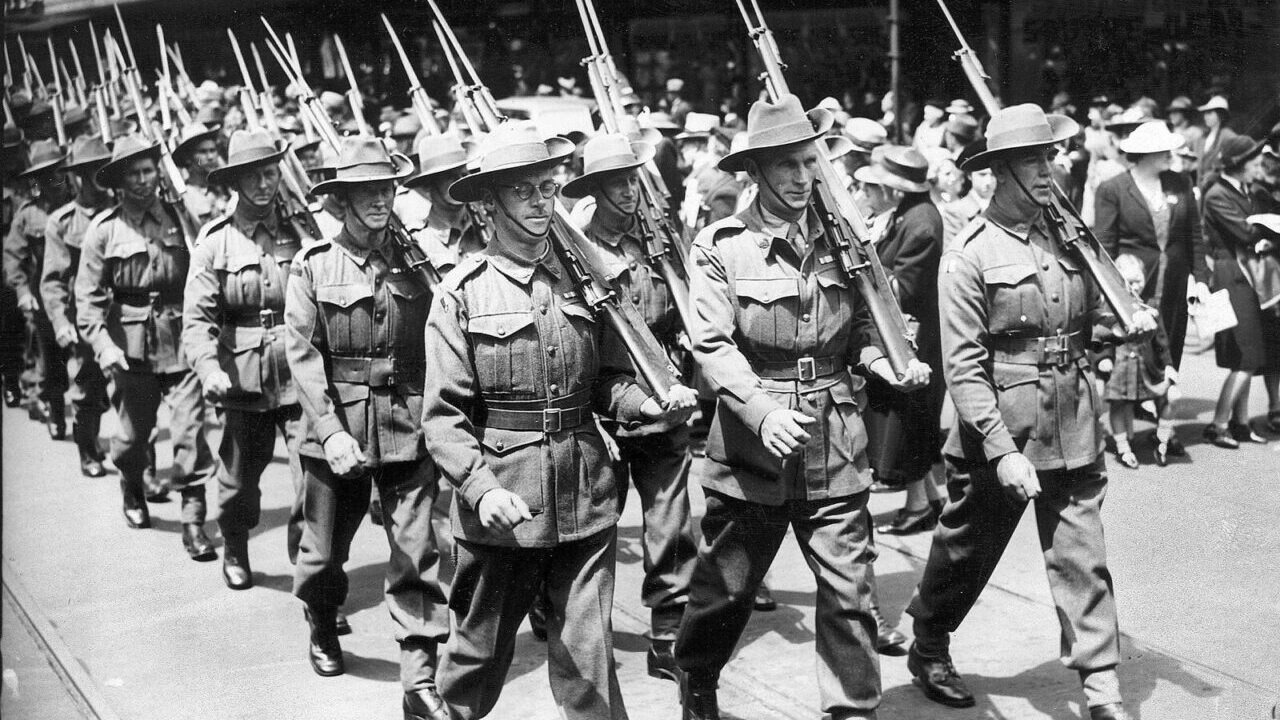
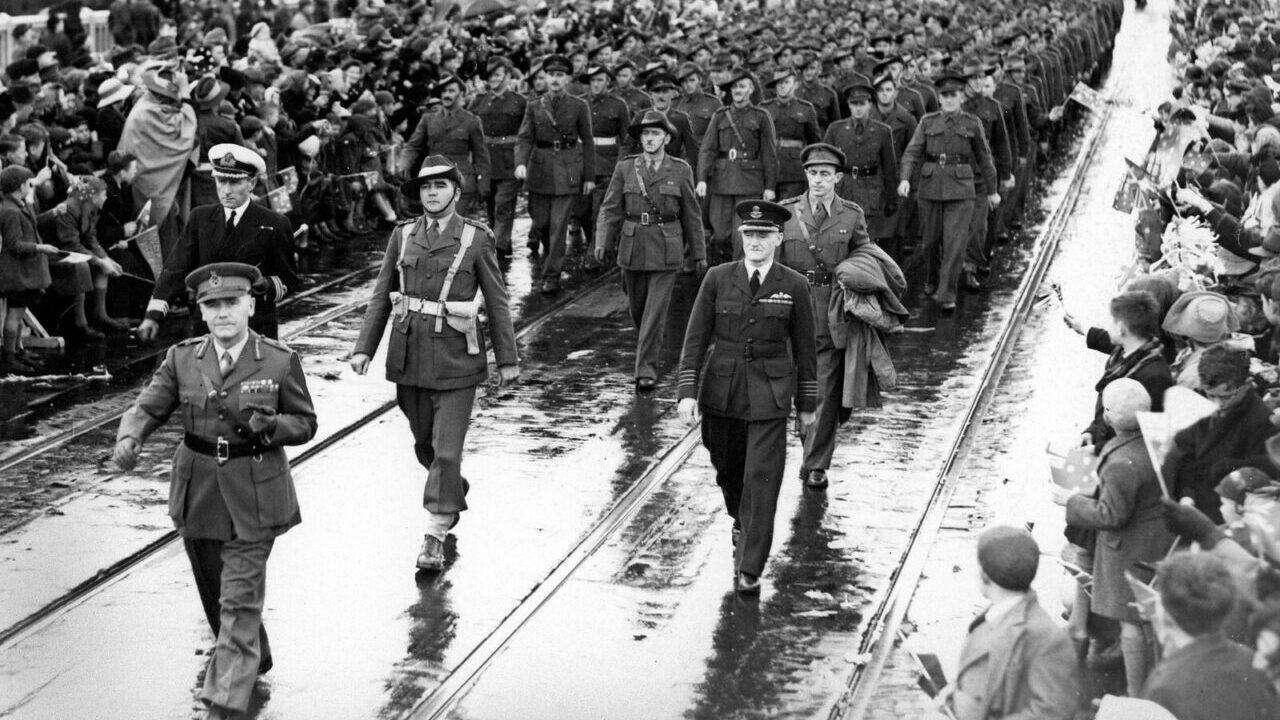
Australians have participated in military conflicts from as early as 1863 when, as a British colony, we sent soldiers to the Māori Wars and in 1885 to the Sudan. In 1899, again with the British, 16,000 volunteered for the Second Boer War, otherwise known as the South African War.
When the soldiers returned in 1902, Australia had become a nation. Many were wounded or diseased and they were not well supported by the government. In 1906 a series of meetings were held at the Orient Hotel in Melbourne and some 400 veterans of the Boer War attended. They formed what became known as the South African and Active Service Association (SAASA).
In August 1914 Britain declared war on Germany and Austria and the First World War had commenced. Australia was asked to support the war effort and our first contribution was a naval force sent to occupy German New Guinea. On their return, on the 7th April 1915 (18 days before the First AIF landed at Gallipoli) 36 naval veterans met in Melbourne and formed the Returned Servicemen’s Association of Victoria. This was the first Australian returned servicemen’s association formed in WW1.
After the Gallipoli offensive on the 25th April 1915, the less seriously wounded were repatriated back to Australia on troop ships, arriving in Melbourne in June and July of that year. Another meeting of returned servicemen was held at the Orient Hotel on the 8th August 1915 to re-affirm the formation of the association. Later meetings were held at the Overseas Club. The association was formally named the Returned Soldiers’ Association on the 29th August 1915.
In November that year a branch structure was adopted to affiliate groups in Melbourne, Ballarat and Geelong and later in Bendigo, Rutherglen and Stawell. As these evolved, Melbourne RSA Branch found itself with the challenges of operating both its Branch and being the state representative body.
In June 1916, RSA organisations had formed in most states and a national organisation was instigated. This was named the ‘Returned Sailors and Soldiers Imperial League of Australia’. The membership of Melbourne Branch grew from 800 to over 5000 by 1917. Over subsequent years the branches were restructured as sub-branches of the Victorian Branch and a number of metropolitan sub-branches emerged. In 1931, the South African and Active Service Association merged with Melbourne RSL Sub-Branch.
The aims of the RSSILA included: To perpetuate friendships, to preserve the memories of those who had died, to provide for the sick, wounded and needy and to preserve loyalty to Australia and the Empire.
The evolution of the organisation was not without its internal battles, particularly between Melbourne Sub-Branch and Victorian State Branch over funding, buildings and liquor licensing.
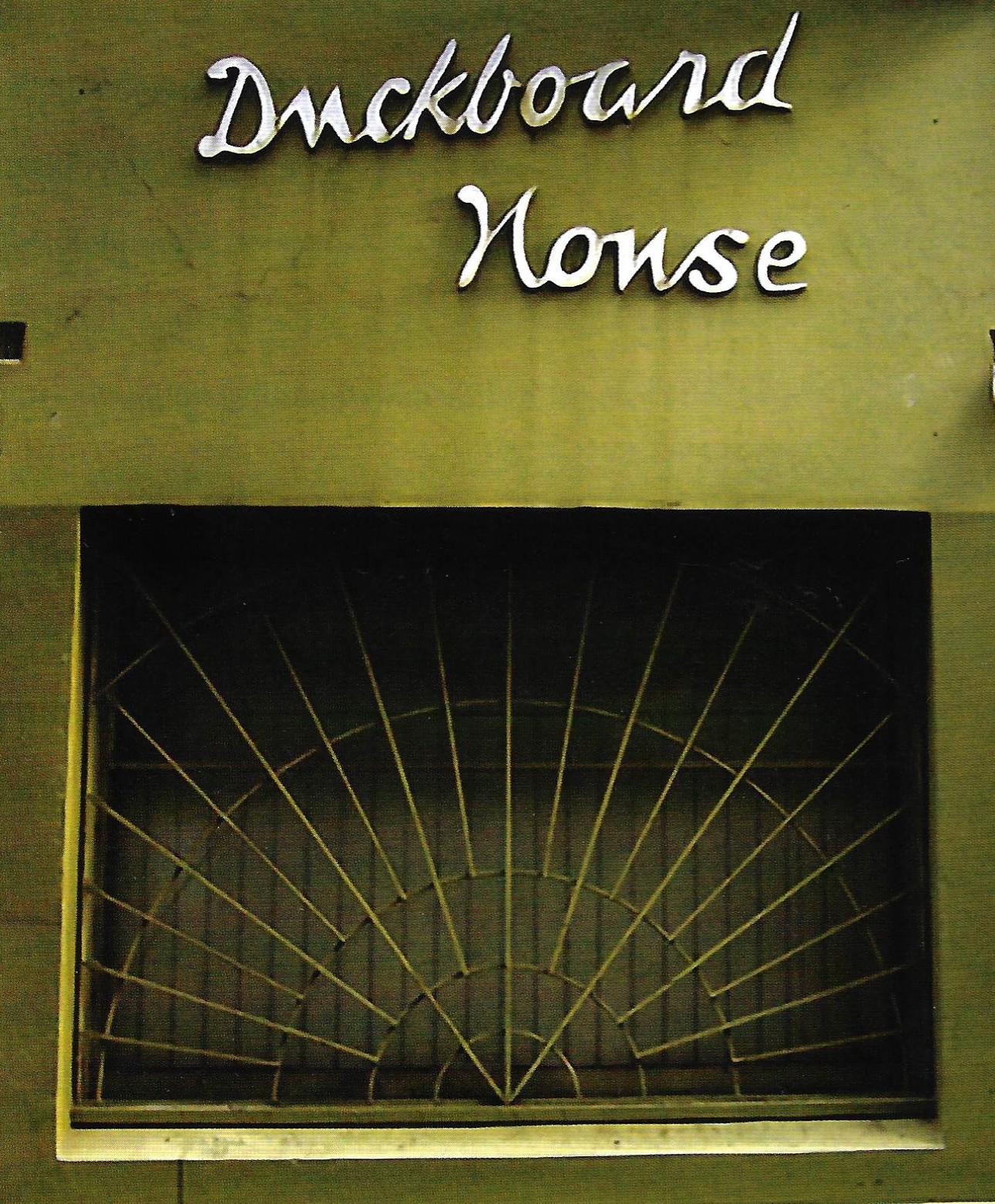
Melbourne Sub-Branch published an influential journal called ‘Duckboard’ from 1923 and members began referring to their clubrooms as the ‘Duckboard Club’. This was formalised when the Sub-Branch acquired and renovated a building at 91 Flinders Lane in 1939 which was named ‘Duckboard House’.
Duckboards were used in the Western Front where planks of wood were laid in the muddy trenches because water seeping in would often cause ‘trench foot’. Some men, horses and artillery had been known to be lost through sinking into the mud. The duckboard name symbolised the purpose of the club – protecting soldiers.
Throughout World War II and other conflicts since, Melbourne RSL has provided welfare for veterans and a place for comradeship and mutual support. By 2007, after 68 years, Duckboard House was no longer maintainable and was sold. The Sub-Branch has continued to operate in leased premises since – 110 years of service.